Check Fishing Line Rates: Obtain the Best Deals on Reliable Lines
Maneuvering the world of fishing line prices demands a deliberate approach. Anglers need to evaluate various types, like monofilament, braided, and fluorocarbon, each offering distinct advantages. Important aspects impact pricing, from brand reputation to material quality. Understanding these components can lead to more informed purchasing decisions. Still, the challenge lies in managing cost and performance. What techniques can one use to confirm they obtain the best value for their investment?
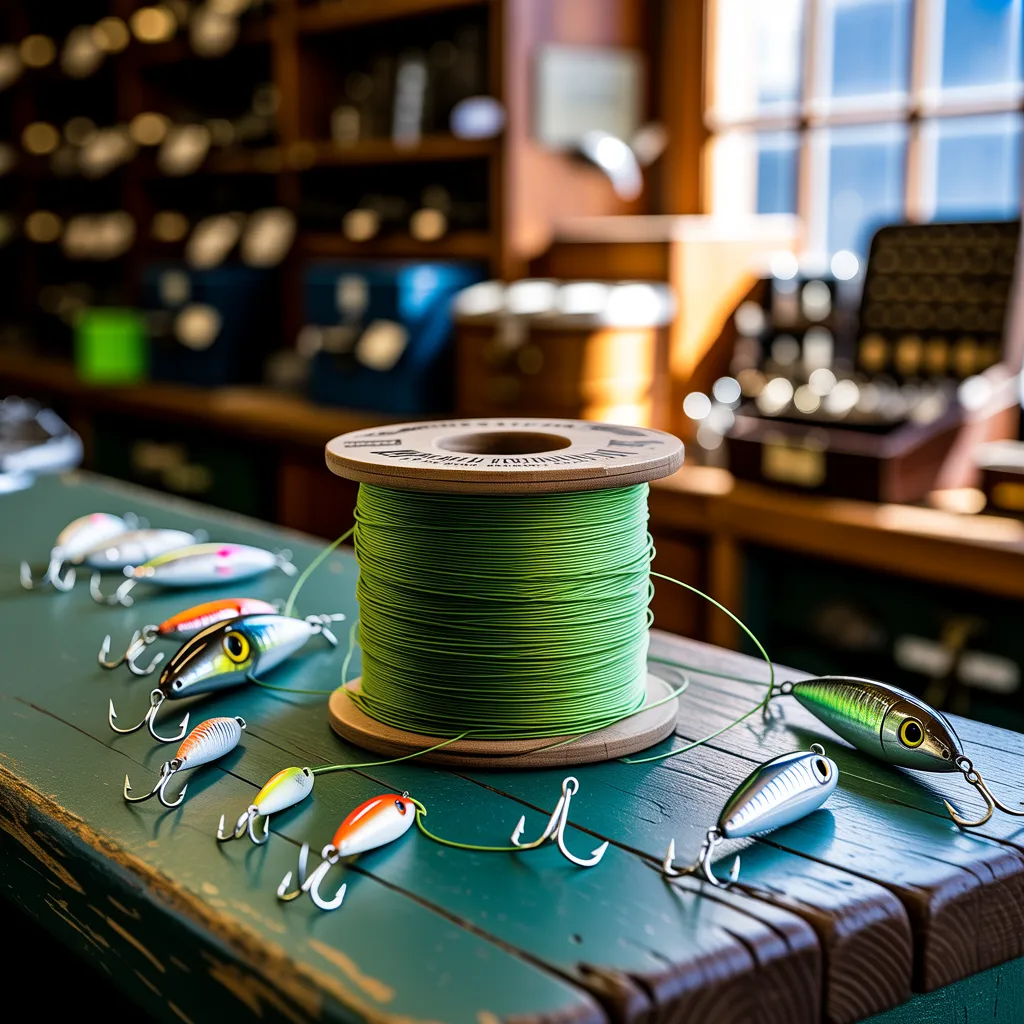
Exploring Various Forms of Fishing Cords: Monofilament vs. Braided
Fishing lines are an essential element in angling, with two main types in the market: monofilament and braided. Monofilament lines are created from a one nylon strand, offering resilience and ease of handling. They provide strong knot strength and stretch, which can handle sudden shocks from fish, making them a frequent choice for beginner anglers. However, they are more vulnerable to UV damage and can break down over time.
On the other hand, braided lines are made of multiple strands woven together, resulting in a line that is thinner yet stronger and has minimal stretch. This quality enables improved sensitivity and control, making braided lines perfect for experienced anglers targeting larger fish species. Despite their benefits, braided lines can be more difficult to manage, especially when tying knots. Ultimately, deciding between monofilament and braided lines depends on the angler's preferences, fishing conditions, and the species being targeted.
Main Factors That Influence Fishing Line Charges
Several important aspects influence the costs of fishing lines, particularly the quality of materials and brand image. Higher-quality materials often get a higher price, as they can improve performance and longevity. Additionally, well-established brands may price their products at a premium due to perceived reliability and trust among consumers.
Material Caliber
Material composition plays an crucial role in determining the price of fishing lines. Various materials, such as monofilament, fluorocarbon, and braided lines, each offer unique advantages and disadvantages that impact their costs. Monofilament lines tend to be more affordable, providing pliability and ease of use, but they may lack durability. In contrast, fluorocarbon lines, known for their invisibility underwater, often come at a greater price due to their sophisticated manufacturing processes. Braided lines, which boast strength and sensitivity, also command a premium, reflecting their complex construction. The choice of material notably impacts effectiveness, longevity, and overall value, making it a vital factor in pricing. Ultimately, anglers must consider how material quality aligns with their fishing needs and budget.
Brand Reputation
Reputation greatly influences the pricing of fishing lines in the competitive angling market. Established brands, known for their quality and reliability, often command higher prices due to consumer trust and loyalty. Anglers tend to prefer lines from manufacturers with a history of performance, leading to a perception that these products offer superior durability and effectiveness. Conversely, lesser-known brands may price their lines lower to attract budget-conscious consumers, but this can raise concerns about quality and reliability. Additionally, marketing efforts and endorsements from professional anglers can further elevate a brand's standing, justifying premium pricing. Consequently, brand reputation serves as an essential factor in determining the cost of fishing lines, impacting both consumer choices and market competition.
Finding the Finest Deals on Fishing Gear
How do anglers verify they are receiving the top deals on fishing lines? To secure the most advantageous prices, it is vital for them to perform thorough research. Employing online price comparison tools can help find fair rates across several retailers. Furthermore, subscribing to newsletters from fishing supply stores often grants access to exclusive discounts and promotional offers.
Timing also plays a crucial role; buying during off-peak seasons or sales periods can lead to notable savings. Anglers should consider bulk purchasing or joining reward programs that incentivize frequent purchases with discounts.
Moreover, investigating second-hand options or local classifieds could find fine lines at marked down prices. Connecting with fishing communities online can also result in recommendations for faithful retailers and alerts regarding flash sales. By applying these strategies, related resource anglers can verify they receive the best value for their fishing line investments.
How to Evaluate Top Fishing Line Brands Successfully
Numerous fishermen try to compare well-known fishing line brands to make certain they pick the most appropriate option for their needs. To do so effectively, they should consider several key factors. First, they can examine the variety of line—monofilament, fluorocarbon, or braided—each offering distinct advantages depending on fishing conditions. Next, anglers should review brand reputations, including customer feedback and expert recommendations, to evaluate reliability and performance.
It is also important to conduct a price comparison across various retailers, as promotional offers or promotions can significantly affect total cost. In addition, anglers might check the line’s breaking strength, diameter, and sensitivity, which are crucial for various fishing techniques. Lastly, understanding the warranty or satisfaction guarantee can give comfort in their purchase. By methodically analyzing these factors, anglers can make wise decisions and find the fishing line that best meets their requirements.
Examining Angling Line Quality Before You Make a Buy
When choosing fishing line, understanding the various kinds of materials is crucial for making an educated choice. Additionally, assessing line strength is important, as it affects a fisher's success in different conditions. These factors play a significant role in determining the general quality and effectiveness.
Overview of Material Types
Knowing the different types of materials used for fishing lines is important for anglers seeking superior quality and performance. Fishing lines are usually divided into three primary classes: monofilament, braided, and fluorocarbon. Monofilament lines are well known for their multi-purpose nature and user-friendliness, making them a preferred choice for beginners. Braided lines, celebrated for their high strength-to-diameter ratio, provide exceptional sensitivity and extended casting distance, making them attractive to experienced anglers. Fluorocarbon lines are almost invisible underwater, providing an advantage in clear water environments. Each material type exhibits unique properties, impacting factors such as stretch, visibility, and abrasion resistance. By understanding these variations, anglers can make informed decisions that upgrade their fishing experiences and guarantee they select the most appropriate line for their specific needs.
Line Strength Factors
Choosing the optimal fishing line requires detailed consideration of line strength, which serves as a vital indicator of quality. Line strength is usually measured in pounds, denoting the maximum weight it can hold without breaking. Anglers must align line strength with their target species and fishing conditions; bigger fish and rough waters demand stronger lines. Break-test ratings offer insights into real performance, indicating how a line behaves under stress. Moreover, differences in line material—like monofilament, fluorocarbon, or braided—can affect overall strength and durability. Hence, assessing line strength helps not only in selecting the proper product but also improves the likelihood of a successful fishing trip. Emphasizing quality ensures reliability, enhancing the angling experience.
Timing Your Buy for Season Savings and Promotions
Though fish line prices change over the year, clever shoppers can increase their advantages by aligning their shopping with seasonal sales and promotions. Retailers frequently run notable sales during key fishing times, like spring and summer, when need peaks. Black Friday and holiday sales also present excellent chances to find better prices on quality lines.
Moreover, end-of-season clearance promotions may provide great savings as retailers plan to clear out inventory. By registering for newsletters or monitoring retailers on social media, consumers remain informed about upcoming sales and exclusive offers.
Moreover, many fishing brands release new products on an annual basis, which leads to discounts on older models. Shoppers who are ready to purchase last year's lines can often achieve better deals without compromising quality. Planning purchases based on these timing strategies can guarantee that anglers obtain the best fishing lines at competitive prices.
Optimizing Digital Fishing Tackle Bargains
A large number of anglers can considerably enhance their economy by leveraging online fishing line deals. To optimize these possibilities, it is crucial to check prices across various e-commerce platforms. Online retailers often feature unique offers, promotional codes, and special sales that brick-and-mortar stores may not provide.
Anglers should also consider signing up for newsletters from trusted retailers; these often include early alerts about upcoming sales and special promotions. Using price comparison tools can enhance the search for the best deals.
Moreover, participating in online fishing communities or forums gives insights on where to locate the most competitive prices and suggestions for trusted brands.
Lastly, making bulk purchases can result in notable savings, since many retailers provide discounted prices per unit for larger orders. By utilizing these tactics, anglers can make certain they are receiving the top value for their fishing line purchases.
Frequently Posed Questions
What top fishing thread brands should beginners select?
For new anglers, popular fishing line brands include Berkley, KastKing, and Stren. These brands offer reliable, user-friendly options that balance quality and affordability, making them ideal choices for those new to fishing.
What is the typical lifespan of fishing line?
Fishing line typically lasts from three to five years, depending on factors such as exposure to sunlight, moisture, and proper storage. Doing regular inspections and substituting worn lines can guarantee peak performance for fishing enthusiasts.
Is it possible to use different types of line on a single Reel?
Yes, varied classes of fishing line can be used on the same reel, although matching remains key. Anglers ought to consider attributes such as width, power, and makeup to ensure optimal performance and avoid complications.
What Size Angling Line Ought I Use for Different Fish Species?
The ideal fishing line weight changes depending on species; lighter lines, about 4-10 lb test, work well for smaller fish, whereas heavier lines, 15-30 lb test, are more effective for larger species like bass or pike. This depends on fishing conditions.
Can You Find Eco-Friendly Fishing Line Types Available?
Yes, eco-friendly fishing line varieties are available, including biodegradable materials and recycled nylon lines. These alternatives aim to cut down damage to the environment while maintaining performance, catering to green-minded anglers seeking sustainable fishing practices.